Deflate-HCP

HAE: Rare, Relentless, 
and All Too Easy to Miss

Unpredictable swelling. A bradykinin-driven mechanism. A disease that’s still too often misunderstood and misdiagnosed.

What is HAE?

HAE is a rare genetic disease affecting approximately 1 in 50,000 people,
characterized by recurrent episodes of subcutaneous and submucosal swelling affecting the face, GI tract, extremities, genitalia, and airway. When bradykinin goes unregulated, it is produced in excess, driving uncontrolled vascular permeability and the hallmark swelling of angioedema.1-3

Even Experienced Clinicians Can Miss It

Misdiagnosis is common and understandable. HAE swelling presents like a lot of other conditions: allergic reactions, acute abdominal emergencies, and inflammatory conditions.2,3
Specific complement testing is needed for a confirmed diagnosis, including C1-INH level, C1-INH function, and C4, along with SERPING1 genetic analysis. These are not standard workups, and not every clinical setting is equipped to run them.3

The Stakes Are High

That diagnostic gap has real consequences. Even when it presents exactly like a histamine-driven reaction, HAE is ultimately a bradykinin-mediated disease so antihistamines, corticosteroids, and epinephrine will not alleviate an attack.3

Patients who are misdiagnosed are actively undertreated as treatment will employ the wrong mechanism entirely. Accurate diagnosis is the prerequisite for any meaningful intervention.3

HAE-C1-INH Attacks Can Escalate Quickly1,4

Early recognition and treatment matter.

An HAE-C1-INH attack begins when a known trigger, or no identifiable trigger at all, activates the kallikrein-kinin pathway. Upon activation, excess bradykinin is produced, B2 receptors become overactivated, and fluid leaks into surrounding tissue, causing swelling. Without treatment, attacks may worsen over hours, often peaking within 12 to 36 hours and resolving over several days.

Attack frequency, severity, location, and duration vary widely, even within the same patient, making attacks difficult to predict.

When present, prodromal symptoms may provide the earliest opportunity to treat. Patients should be educated to recognize their individual warning signs and keep on-demand treatment readily available.


HAE Type 1 and Type 2 Are Now
HAE-C1-INH.
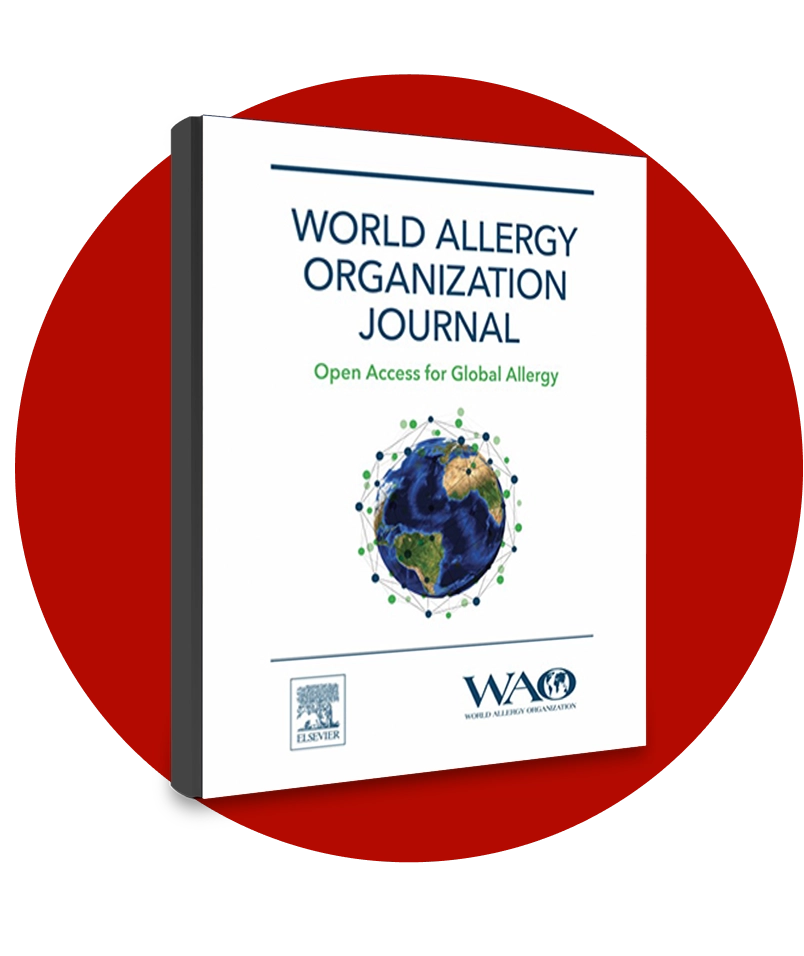
The 2025 WAO guidelines have retired the type 1 and type 2 classifications of HAE with C1-inhibitor deficiency. Both presentations, whether driven by reduced C1-INH levels or dysfunctional C1-INH protein, are now unified under a single designation: HAE-C1-INH. This update reflects a deeper understanding of the shared pathophysiology and management principles, and eliminates a distinction with limited clinical utility.3
Other Forms of HAE

Hereditary Angioedema with Normal C1-INH (HAE-nC1-INH)

Variants in other genes (as those encoding for coagulation factor XII, plasminogen, kininogen, angiopoietin, etc.) may not directly reduce the activity of C1-INH, but still result in excess signaling through bradykinin-activated bradykinin B2 receptor, leading to HAE.
Suspicion of HAE-nC1-INH can be confirmed by medical and family history together with laboratory tests and genetic testing.3

HAE due to unknown mutation (HAE-UNK)

In a number of people with HAE, no genetic variants can be identified and pathogenesis remains to be characterized.3

C1-INH, C1-inhibitor; HAE, hereditary angioedema; HAE-C1-INH, hereditary angioedema due to C1-INH deficiency; GI, gastrointestinal.

Learn more about the biology
of HAE, including bradykinin’s
key role in causing swelling.
Join us in finding a path beyond the burdens of HAE.

REFERENCES

1. Betschel SD, Caballero T, Jones DH, et al. The complexities of decision-making associated with on-demand treatment of hereditary angioedema (HAE) attacks. Allergy Asthma Clin Immunol. 2024;20(1):43. doi:10.1186/s13223-024-00903-w 2. Maurer M, Magerl M, Betschel S, et al. The international WAO/EAACI guideline for the management of hereditary angioedema—the 2021 revision and update. Allergy. 2022;77(7):1961-1990. 3. Vázquez DO, Giavina-Bianchi P, Josviack D, et al. The 2025 WAO guidelines for the classification, diagnosis, and treatment of hereditary angioedema, with consideration of worldwide disparities. World Allergy Organ J. 2026;19(5):10135. doi:10.1016/j.waojou.2026.101335 4. Bork K, Anderson JT, Caballero T, et al. Assessment and management of disease burden and quality of life in patients with hereditary angioedema: a consensus report. Allergy Asthma Clin Immunol. 2021;17(1):40. doi:10.1186/s13223-021-00537-2