Deflate-HCP

The Biology of Bradykinin & HAE

Hereditary angioedema stems from an inherited defect in the SERPING1 gene that controls production of C1-INH proteins. C1-INH proteins are the body’s built-in mechanism for properly controlling bradykinin production.1

Bradykinin Normally Helps the Body Heal2-4

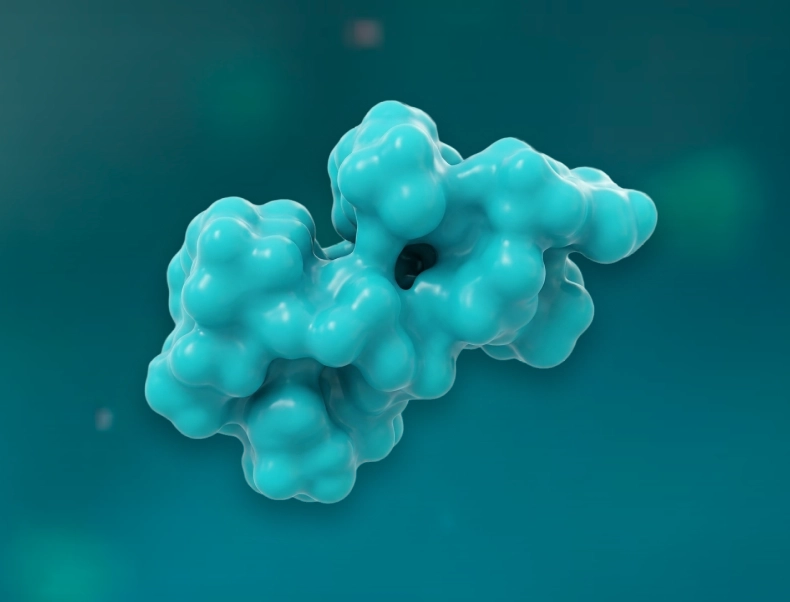
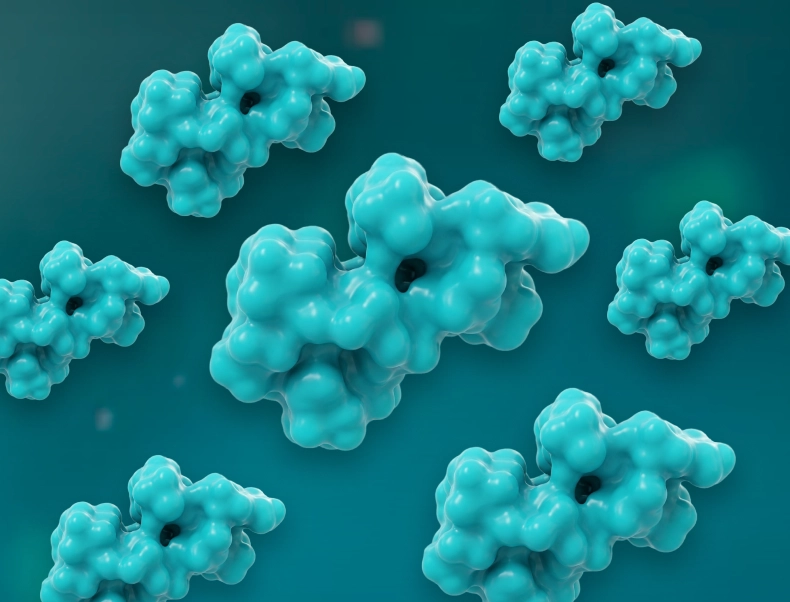
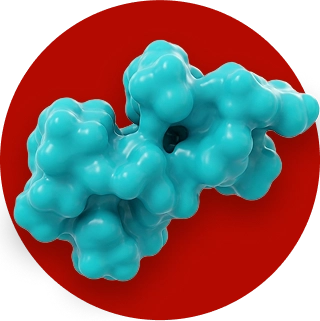
Bradykinin is a vasoactive peptide produced through the kallikrein-kinin system. Under normal conditions, it regulates vasodilation and temporary vascular permeability during tissue repair, a controlled, beneficial process mediated through bradykinin B2 receptors on vascular endothelial cells. The key word is “controlled.”

In HAE-C1-INH, Bradykinin Becomes the Problem5

When the kallikrein-kinin pathway goes unchecked, bradykinin is produced in excess.

Uncontrolled Bradykinin Hyperactivates
B2 Receptors5,6

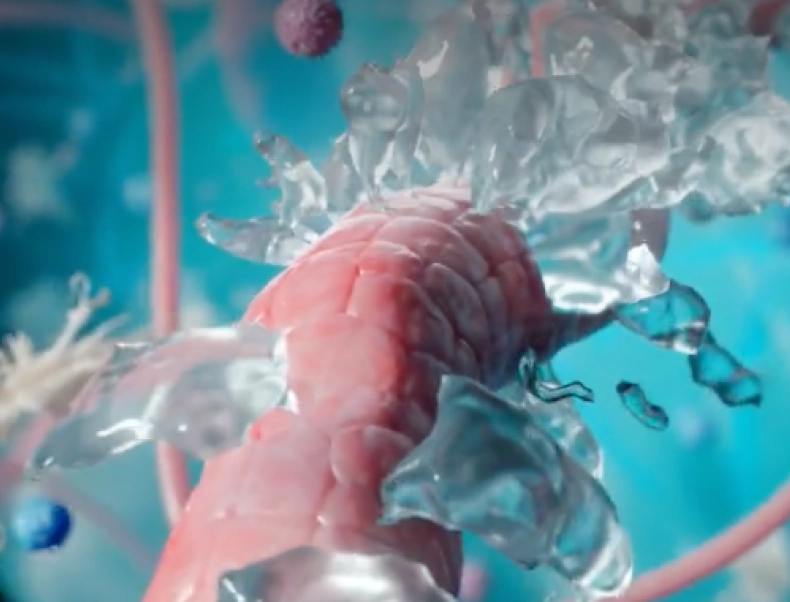
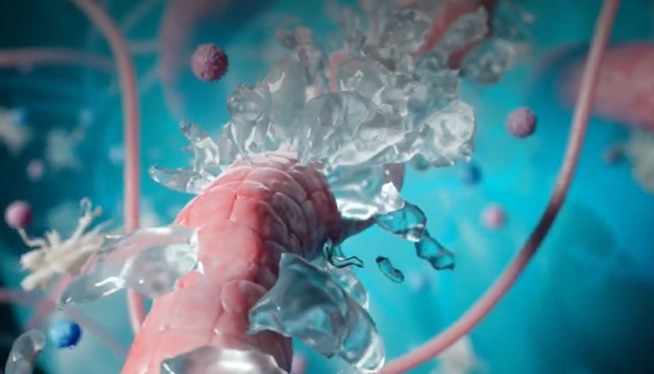
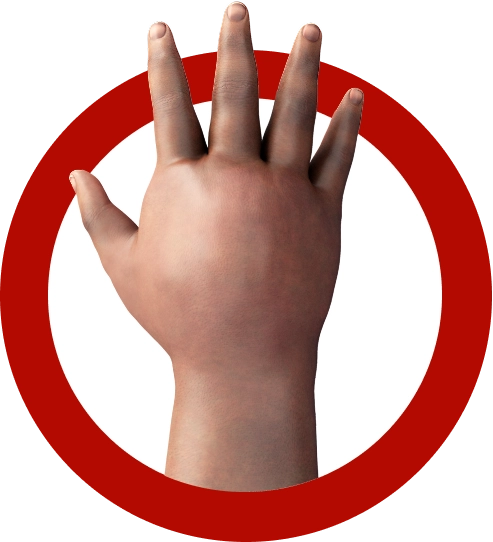
The excess bradykinin floods B2 receptors on vascular endothelium, driving sustained vasodilation and vascular leakage, and the progressive, non-pitting swelling that defines an
HAE-C1-INH attack.
Excess Bradykinin production
= Angioedema6

Excess Bradykinin production = Angioedema6

C1-INH, C1-inhibitor; HAE, hereditary angioedema; HAE-C1-INH, hereditary angioedema due to C1-INH deficiency.

Learn more about the burdens that patients with HAE must live with as well as the extra complications for women and adolescents.

Uncover the burdens of living with HAE.
Join us in finding a path beyond the burdens of HAE.

REFERENCES

1. Vázquez DO, Giavina-Bianchi P, Josviack D, et al. The 2025 WAO guidelines for the classification, diagnosis, and treatment of hereditary angioedema, with consideration of worldwide disparities. World Allergy Organ J. 2026;19(5):10135. doi:10.1016/j.waojou.2026.101335 2. Maurer M, Bader M, Bas M, et al. New topics in bradykinin research. Allergy. 2011;66(11):1397-1406. doi:10.1111/j.1398-9995.2011.02686.x 3. Bryant JW, Shariat-Madar Z. Human plasma kallikrein-kinin system: physiological and biochemical parameters. Cardiovasc Hematol Agents Med Chem. 2009;7(3)234-250. doi:10.2174/187152509789105444 4. Brown NJ, Gainer JV, Murphey LJ, Vaughan DE. Bradykinin stimulates tissue plasminogen activator release from human forearm vasculature through B(2) receptor-dependent, NO synthase-independent, and cyclooxygenase-independent pathway. Circulation. 2000;102(18)2190 -2196. doi:10.1161/01.cir.102.18.2190 5. Sinnathamby ES, Issa PP, Roberts L, et al. Hereditary angioedema: diagnosis, clinical implications, and pathophysiology. Adv Ther. 2023;40(3):814-827. doi:10.1007/s12325-022-02401-0 6. Maurer M, Magerl M, Betschel S, et al. The international WAO/EAACI guideline for the management of hereditary angioedema—the 2021 revision and update. Allergy. 2022;77(7):1961-1990.